Immersive Reality Factory sets out to extend what is possible with immersive media and technology. Our aim is to develop approaches and solutions that lastingly change the way people experience and use digital content.
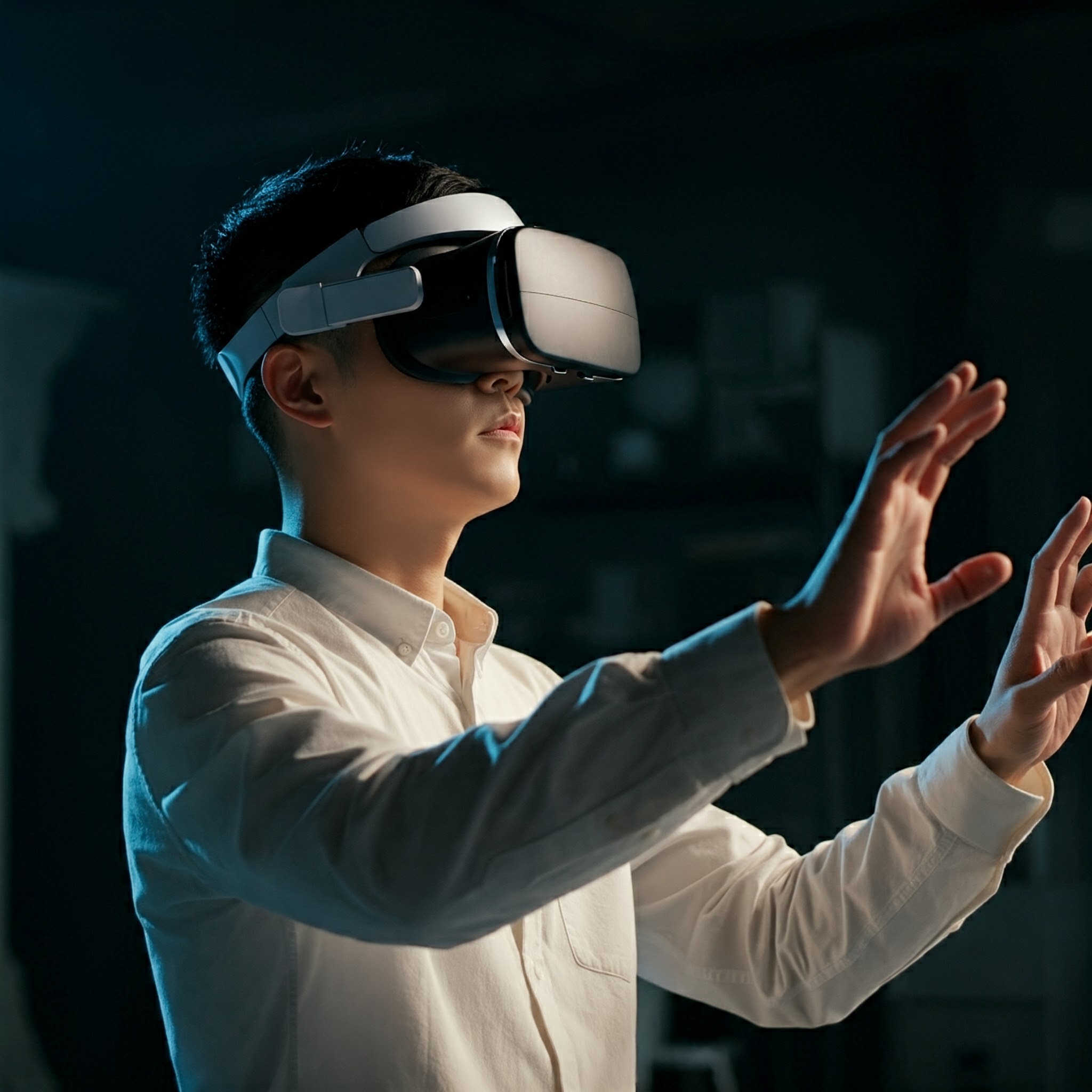
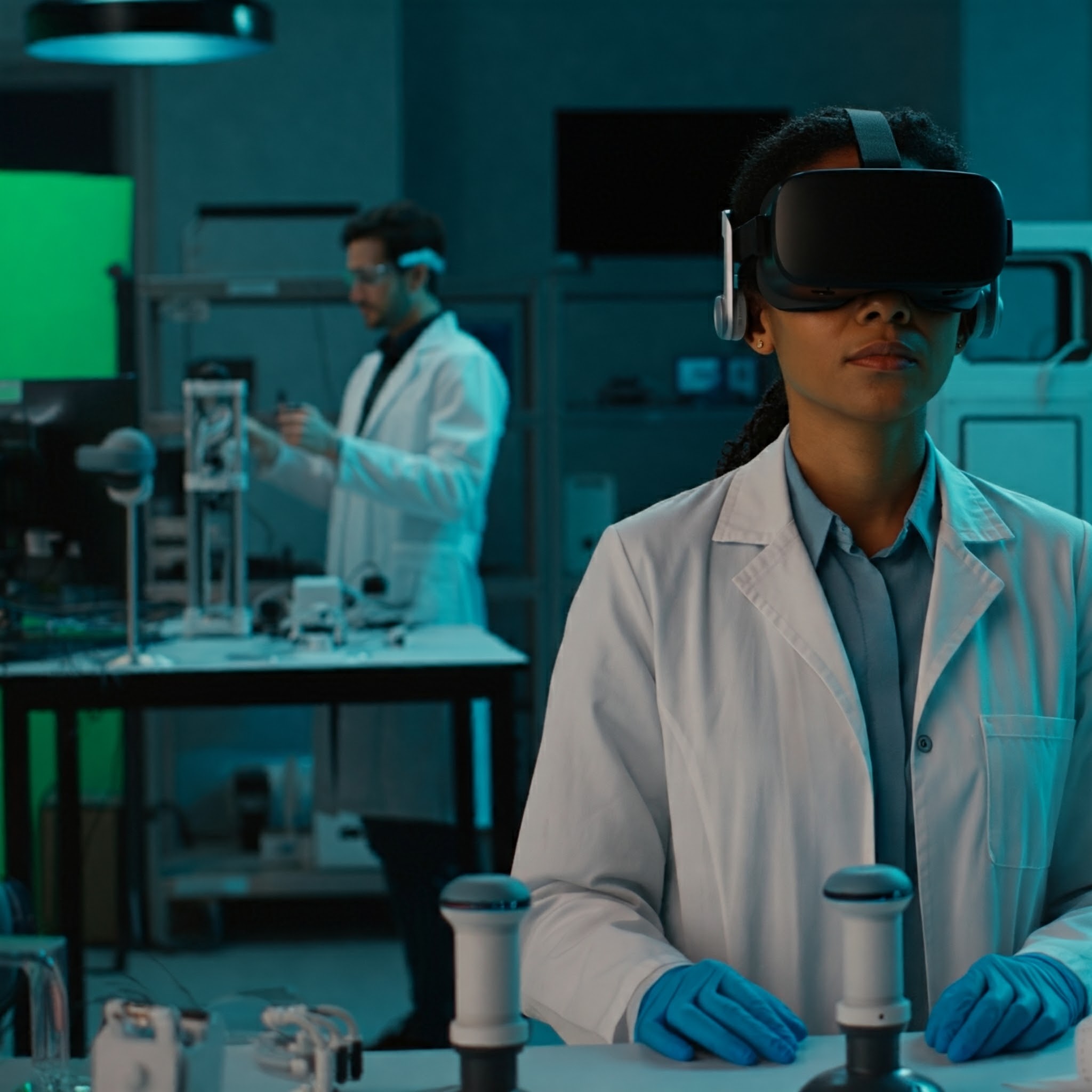
We work across immersive technologies — extended reality (XR), virtual reality (VR), augmented reality (AR) and gaming — including their use in healthcare.
Our work goes beyond building immersive experiences: it covers user experience design, interaction and usability concepts, and usability engineering.
We build immersive applications — and we show that they work. You can commission either on its own.
From feasibility study to working prototype to shipped application. Unity and Unreal, for Meta Quest, HTC Vive, Varjo, Pico and HoloLens, plus tablet and web applications. You get the source code.
Controlled studies with your target group: usability, acceptance, effectiveness. What you get at the end is a report you can put in front of clients, funders or reviewers — not a hunch.
EEG, eye tracking, heart rate and skin conductance add continuous measurements to self-report: workload, attention, simulator sickness. They show you what users cannot or will not tell you.
How do bitrate, latency, packet loss and resolution translate into perceived quality? We design and run quality assessments using the internationally agreed methods our founders helped develop. For streaming, video conferencing, telepresence and cloud XR.
Applications for care, therapy, diagnostics and training — particularly for older people and people with impairments. Accessibility and usability are planned in from the start, not bolted on afterwards.
Voice assistants, embodied agents, synthetic media. We test whether people trust them appropriately — neither blindly nor with blanket rejection — and what follows from that for your product.
It starts with a conversation of about an hour, free of charge. We then propose a first step that stands on its own and produces something: a feasibility study, a prototype, a study design. Whatever comes out of it is yours — source code, data and reports. If we want to publish anything from it, we ask you first.
Developing an AR/VR application is a staged process. It begins with concept and planning: the idea is made concrete, the target group analysed, the technical options assessed. Research is needed to identify comparable applications and suitable platforms. Finally the core functions are fixed and a storyboard or prototype is built to make the experience visible.
Design and development covers the user interface (UX/UI) and the construction of the augmented or virtual world. 3D modelling and environment design bring it to life. The application logic is programmed and the VR-specific functions and interactions are implemented. Sound design completes the experience: effects and music strengthen immersion.
Testing and optimisation decide whether the software succeeds. In usability tests the application is evaluated with users from the target group. Performance work keeps the experience smooth and prevents stutter and delay. Bug fixing removes the faults that arise during development.
Talk to us — we are glad to help.
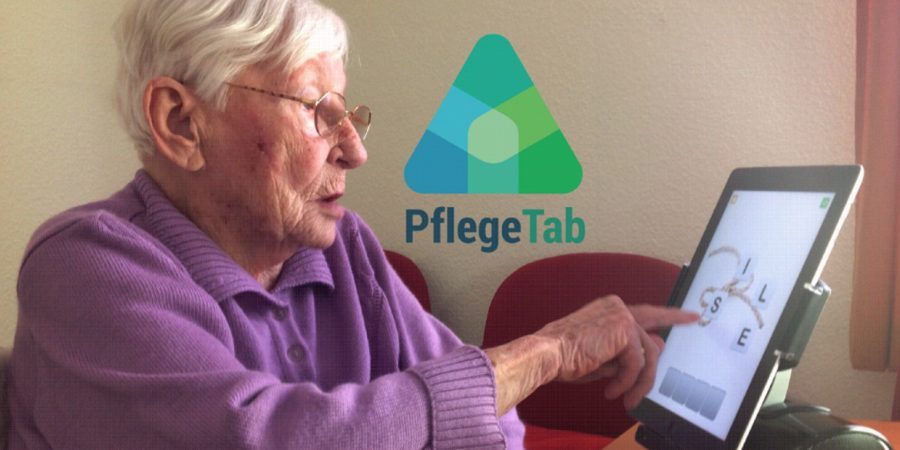
PflegeTab is a tablet application supporting staff in elderly care. It offers activities for people in care — games, picture galleries, video calls — and lets carers document a resident's condition before and after use.
DemTab is a tablet application for improving outpatient dementia care. It provides a platform for exchange between patients, relatives and GP practices, offers activities for people living with dementia, and keeps information on advice and support services up to date.
VoiceAdapt is a speech training programme for older people with aphasia. It uses speech-sensitive technology that detects deficits in spoken language and adapts to them, and includes an interface for therapists to manage training sessions.
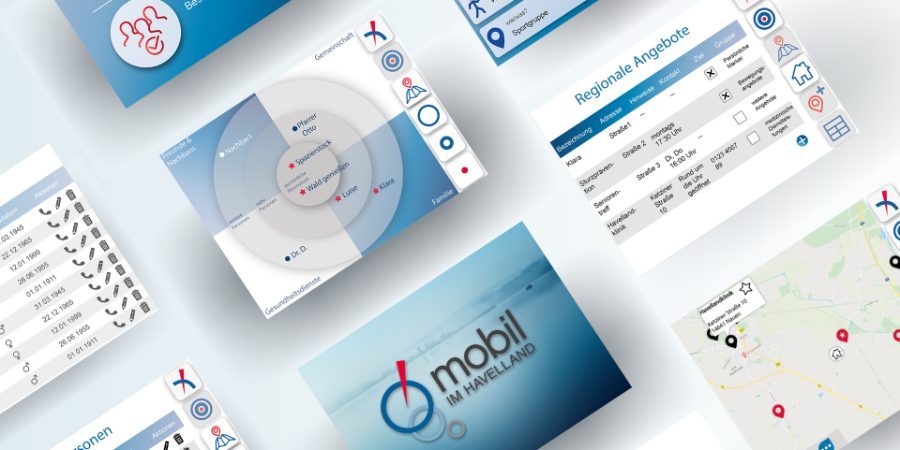
An app developed with Charité and the Havelland hospitals for the MOBILE study. It analyses the individual, social and regional resources of older people in rural areas. The study aims to preserve independent mobility in old age and to prevent frailty.
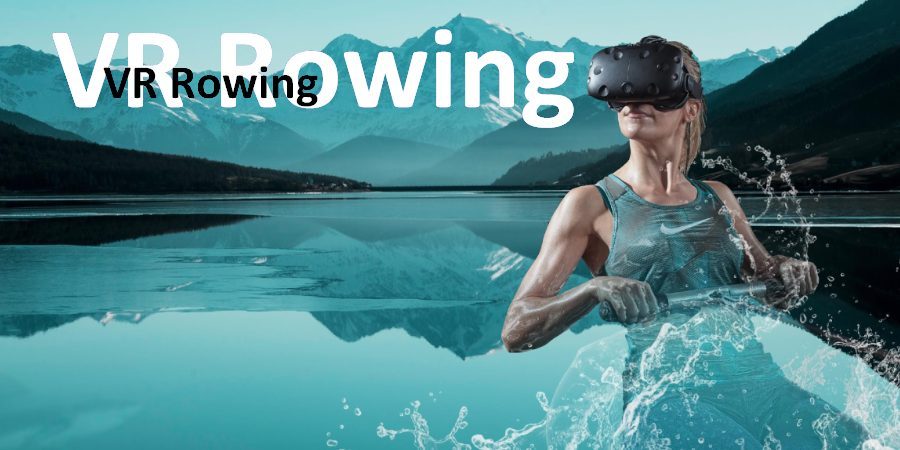
VR Rowing is a virtual rowing programme that can be used as movement therapy. It simulates a row through a virtual landscape, letting people improve their fitness and enjoy themselves while doing it.
To meet the challenges of digitalisation and demographic change, the project promotes knowledge transfer into the region. The aim is to keep the region viable by building competence in digitalisation.
An interactive system for collecting patient-reported outcome measures (PROMs) digitally. Multimodal interaction improves accessibility and motivation, so that answers are complete, and the system explains why PROM collection matters.
Realistic, dynamic XR applications built with AI-supported methods. Large-scale digital twins are created and kept in sync with the real world, using reconstruction, mapping, data fusion, scene understanding and rendering, with use cases in urban and industrial settings.
A wireless monitoring system for track and rolling stock, based on retrofit solutions. In the long run it lowers maintenance costs through condition-based strategies: problems are detected early and preventive measures recommended, cutting downtime and repair costs.
An AR navigation application for pedestrians offering personalised routes based on individual preferences and integrating additional content such as cultural events. The aim is a system that makes orientation in complex urban environments easier than existing navigation technology does.
Immersive Reality Factory — merging the real and the virtual world to make processes more efficient, safer and more flexible.
Behaimstraße 12, 10585 Berlin, Germany